Choosing the perfect plant for your home can be an exciting yet daunting task. With so many options available, it’s essential to consider various factors that will ensure your new green friend thrives in your space. Whether you’re a seasoned plant parent or a novice, understanding your environment and plant needs is crucial for success.
Assess Your Space
The first step in selecting the right plant is to assess your living space. Consider the amount of natural light your home receives throughout the day. Different plants have varying light requirements; some thrive in bright, direct sunlight, while others prefer low-light conditions. Take note of the specific areas in your home where you plan to place the plant, as this will significantly influence your choice.
Additionally, think about the temperature and humidity levels in your home. Most houseplants prefer temperatures between 65°F and 75°F, but some may require warmer or cooler conditions. If you live in a particularly dry climate, you might want to consider plants that can tolerate lower humidity levels or invest in a humidifier to create a more suitable environment.
Consider Your Lifestyle
Your lifestyle plays a significant role in determining which plants will be the best fit for you. If you travel frequently or have a busy schedule, opt for low-maintenance plants that require minimal care. Succulents and snake plants are excellent choices for those who may forget to water regularly, as they can withstand periods of neglect.
On the other hand, if you enjoy spending time caring for your plants and have a more flexible schedule, you might want to explore more demanding varieties. Plants like fiddle leaf figs or orchids can be rewarding but require more attention and care. Understanding your commitment level will help you choose a plant that aligns with your lifestyle.
Choose the Right Size
Additionally, think about how the plant will fit into your existing decor. A large, leafy plant can serve as a stunning focal point in a room, while smaller plants can be used to accentuate shelves or tables. Balancing size with aesthetics will enhance your home’s overall look while ensuring the plant has enough room to grow.
Research Plant Varieties
Before making a purchase, take the time to research different plant varieties that interest you. Each plant has unique characteristics, including growth habits, care requirements, and potential issues like pests or diseases. Understanding these factors will help you make an informed decision and choose a plant that suits your preferences and capabilities.
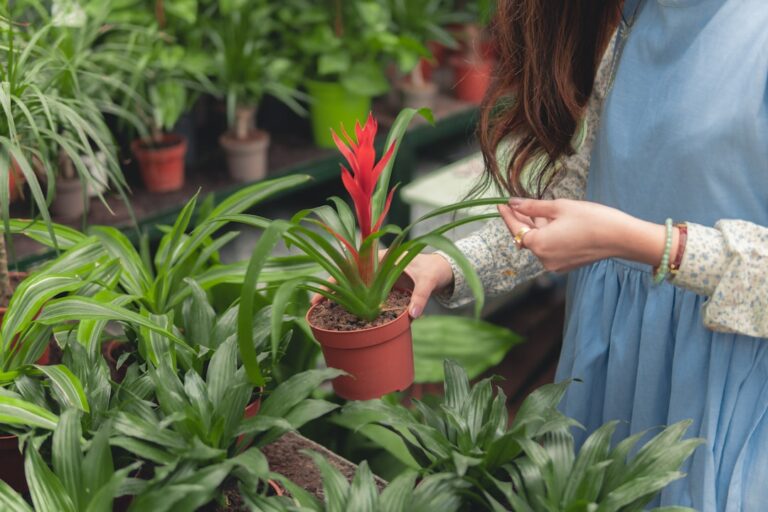
Consider visiting local nurseries or plant shops to see the plants in person. This allows you to assess their health and vigor, which can be difficult to gauge from online images. Additionally, staff at these locations can provide valuable insights and recommendations based on your specific needs and environment.
Step-by-step plan:
Step 1: Assess your space for light, temperature, and humidity. Step 2: Consider your lifestyle and how much time you can dedicate to plant care. Step 3: Choose the right size plant for your available space. Step 4: Research plant varieties to find the best fit for your home.