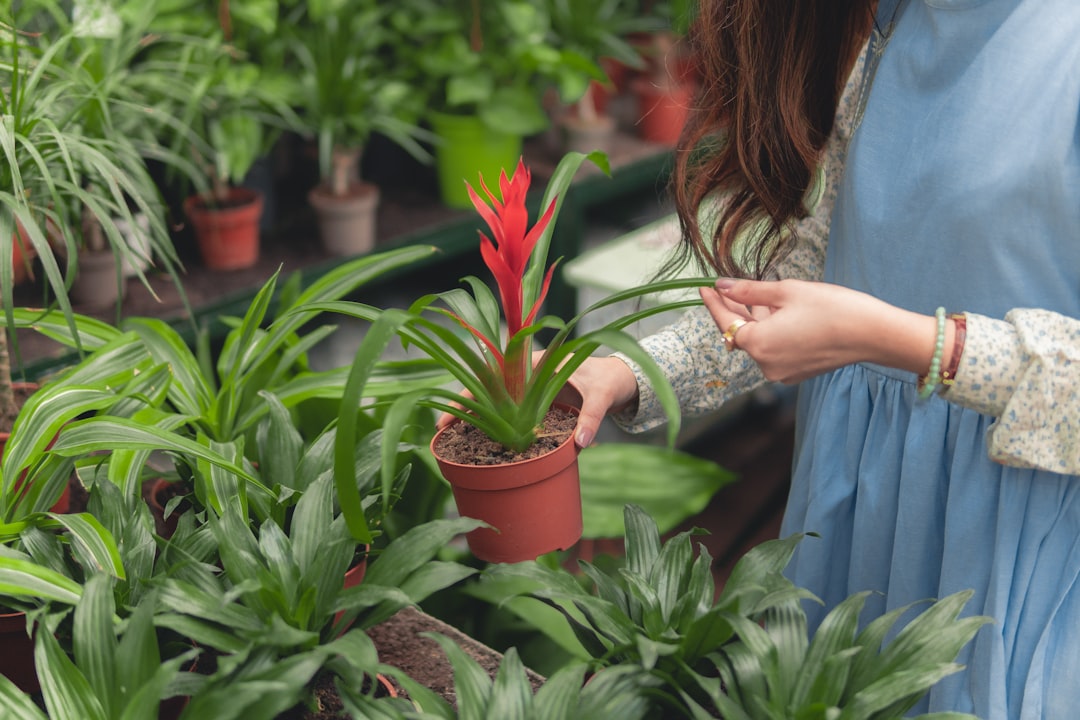
Plants bring life and vibrancy to our homes, but keeping them healthy can sometimes feel like a daunting task. At verdanthavens.com, we believe that with the right knowledge and tools, anyone can become a successful plant parent. This article will unveil the secrets to maintaining lush, thriving plants that not only beautify your space but also enhance your well-being.
Understanding Your Plants
Every plant species has its own unique needs, and understanding these requirements is crucial for their health. Start by researching the specific types of plants you own. Are they succulents that thrive in dry conditions, or tropical plants that require humidity? Knowing the natural habitat of your plants will guide you in recreating their ideal environment at home.
Additionally, pay attention to the signs your plants give you. Yellowing leaves might indicate overwatering, while brown tips could suggest underwatering. Regularly inspecting your plants will help you catch any issues early, allowing you to take corrective action before it’s too late.
Watering Wisely
Watering is one of the most critical aspects of plant care, yet it is often done incorrectly. Instead of following a strict schedule, observe the moisture level of the soil. Stick your finger about an inch into the soil; if it feels dry, it’s time to water. This method prevents overwatering, which can lead to root rot and other issues.
When you do water, ensure that you do so thoroughly. Water should flow out of the drainage holes at the bottom of the pot, ensuring that the entire root system receives moisture. Remember, it’s better to water deeply and less frequently than to give small amounts of water regularly.
Providing Adequate Light
Light is essential for photosynthesis, and different plants require varying amounts of light. Some thrive in bright, direct sunlight, while others prefer indirect light or shade. Assess the lighting conditions in your home and place your plants accordingly. If natural light is limited, consider using grow lights to supplement their needs.
Rotate your plants every few weeks to ensure even growth. Plants tend to lean towards the light source, and rotating them will help maintain a balanced shape. This simple practice can significantly enhance the aesthetic appeal of your plants.
Fertilizing for Growth
Fertilization is often overlooked but is vital for healthy plant growth. Plants use nutrients from the soil, and over time, these nutrients can become depleted. Using a balanced, water-soluble fertilizer during the growing season can provide the necessary nutrients for your plants to thrive.
Be cautious not to over-fertilize, as this can harm your plants. Follow the instructions on the fertilizer package and consider diluting it to half-strength if your plants are sensitive. Regular feeding during the active growth period will ensure your plants remain vibrant and healthy.
Checklist:
To summarize, here’s a quick checklist to keep your plants thriving: 1. Research your plant species to understand their specific needs, 2. Monitor soil moisture and water accordingly, 3. Ensure adequate light exposure for optimal growth.
By following these actionable tips, you can create a nurturing environment for your plants. Remember, plant care is a journey, and with patience and practice, you will see your plants flourish. Embrace the process, and enjoy the beauty that healthy plants bring into your life.